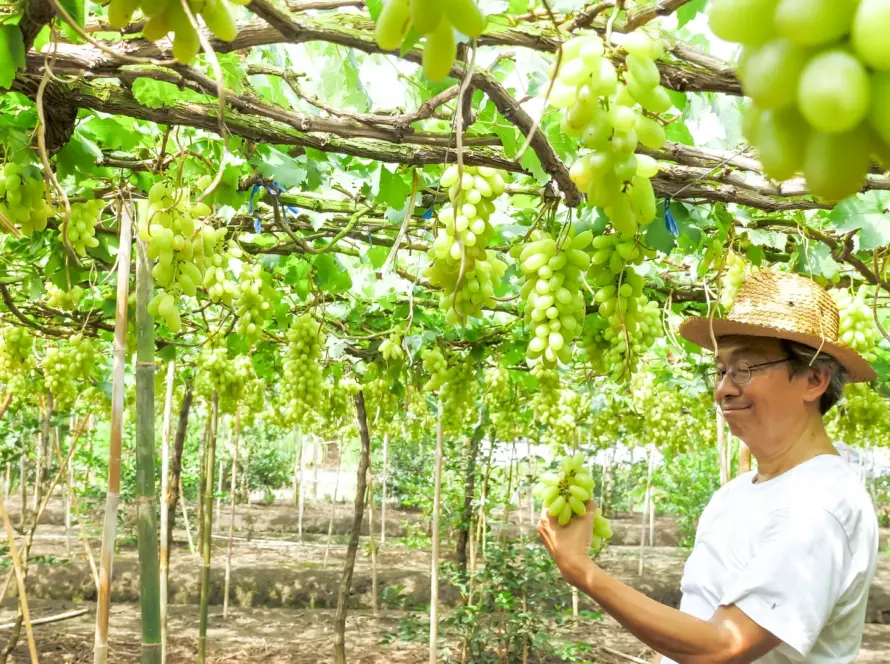
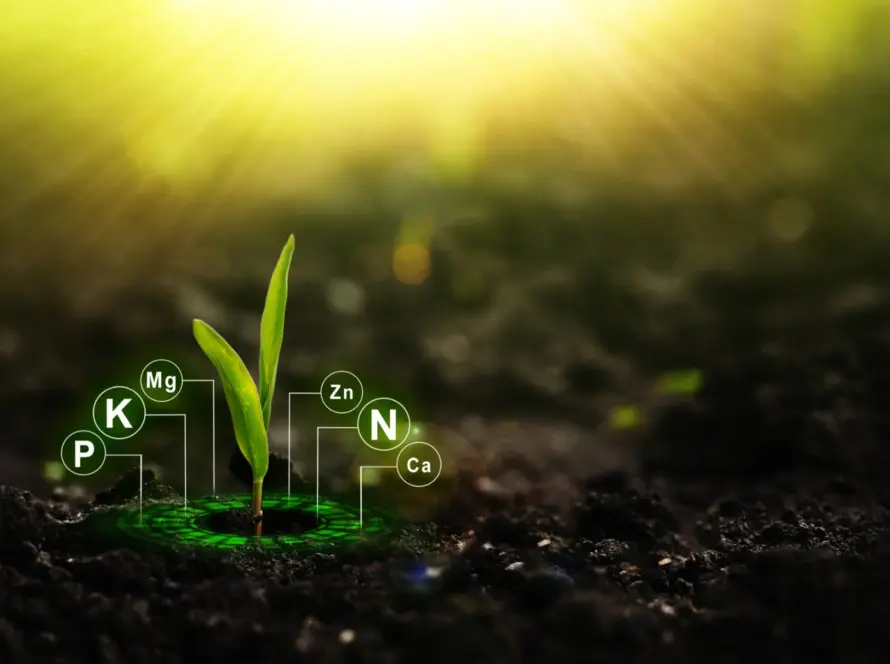
Did you know that a shortage of just “one gram” of a micronutrient could destroy an entire ton of harvest? In modern agriculture, the focus has shifted from “how much we produce” to “what is the quality of what we produce.” This is where Micronutrients and Calcium come in—the key players determining your product’s price in the market.
In this article, we reveal the critical role of these often-overlooked elements and how they can transform your farm from “average” to “exceptional.”
1. Micronutrients: The Plant’s Special Forces
They are called “micro” because the plant needs them in minute quantities (parts per million – ppm), but their absence means a complete collapse of vital processes. Think of them as the plant’s “vitamins”; they don’t provide energy themselves, but without them, the body cannot function.
Liebig’s Law of the Minimum:
In 2025, we apply a golden rule: “Your yield is limited by the scarcest resource, not the most abundant one.” If Nitrogen is at 100% sufficiency but Zinc is only at 50%, your production will cap at 50%.
The Key Leaders of This Army and Their Roles:
- Boron (B): “The Pollination Engineer”
- Role: Primarily responsible for flower fertility, pollen tube growth, and the transport of sugars from leaves to fruit.
- Without it: Sterile flowers, fruit drop, and deformed fruits (like crooked strawberries).
- Zinc (Zn): “The Growth Catalyst”
- Role: Essential for the production of the growth hormone (Auxin), responsible for stem elongation and leaf size.
- Without it: Plant stunting (Rosetting) and significantly smaller leaves (Little Leaf).
- Iron (Fe): “The Energy Factory”
- Role: The primary engine for chlorophyll formation (green color) and respiratory enzymes.
- Without it: Yellowing of growing tips (Interveinal Chlorosis) and a shutdown of the photosynthetic factory.
2. Calcium: The Plant’s “Cement” and the Secret to Quality
If Nitrogen is the “fuel” for growth, Calcium is the “skeleton” of the structure. The professional farmer knows that Calcium = Longer Shelf Life.
How Does Calcium Affect Your Crop’s Quality and Price?
- Cell Wall Integrity:
- Calcium forms “Calcium Pectate,” which acts as the “glue” binding plant cells together.
- Result: Firm fruits that withstand transport and shipping over long distances without bruising (Crucial for Export).
- Natural Immunity:
- Strong cell walls fortified with calcium are difficult for fungi and bacteria to penetrate. A calcium-rich plant gets sick less often!
- Preventing Deadly Physiological Disorders:
- Calcium deficiency is the direct cause of every farmer’s nightmare:
- Blossom End Rot in tomatoes and peppers.
- Black Heart in lettuce and cabbage.
- Bitter Pit in apples.
- Calcium deficiency is the direct cause of every farmer’s nightmare:
The 2025 Challenge: Calcium is a “lazy” (Immobile) element that does not move easily from leaves to fruits. Therefore, Foliar Spraying of calcium directly onto the fruits is the optimal solution to ensure quality.
Frequently Asked Questions (FAQs) – Raising Awareness
Q: Can Calcium be mixed with other fertilizers?
A: Warning! Calcium is an enemy of Phosphorus and Sulfur in the spray tank. Mixing them causes precipitation (Gypsum formation) and clogs drippers. Always use “Chelated Calcium” or spray it alone.
Q: When is the best time to add Micronutrients?
A: The best time is at the beginning of active growth stages and immediately before flowering (especially Boron and Zinc) to ensure successful fruit set.
Q: Why does Calcium deficiency appear even if it’s present in the soil?
A: Because calcium moves with the water stream (Transpiration). in very hot or very cold weather, the plant stops transpiring, so calcium stops moving up to the fruits. The solution here is to manage irrigation and use foliar calcium.
Conclusion: Quality is the Real Profit
Investing in Micronutrients and Calcium is the smartest investment for a farmer in 2025. Don’t settle for your plant just being green; make it strong, firm, and productive of the high-quality fruits that consumers demand by name.